Turning Ideas Into Action: Inside the 2026 Community Development Workshop
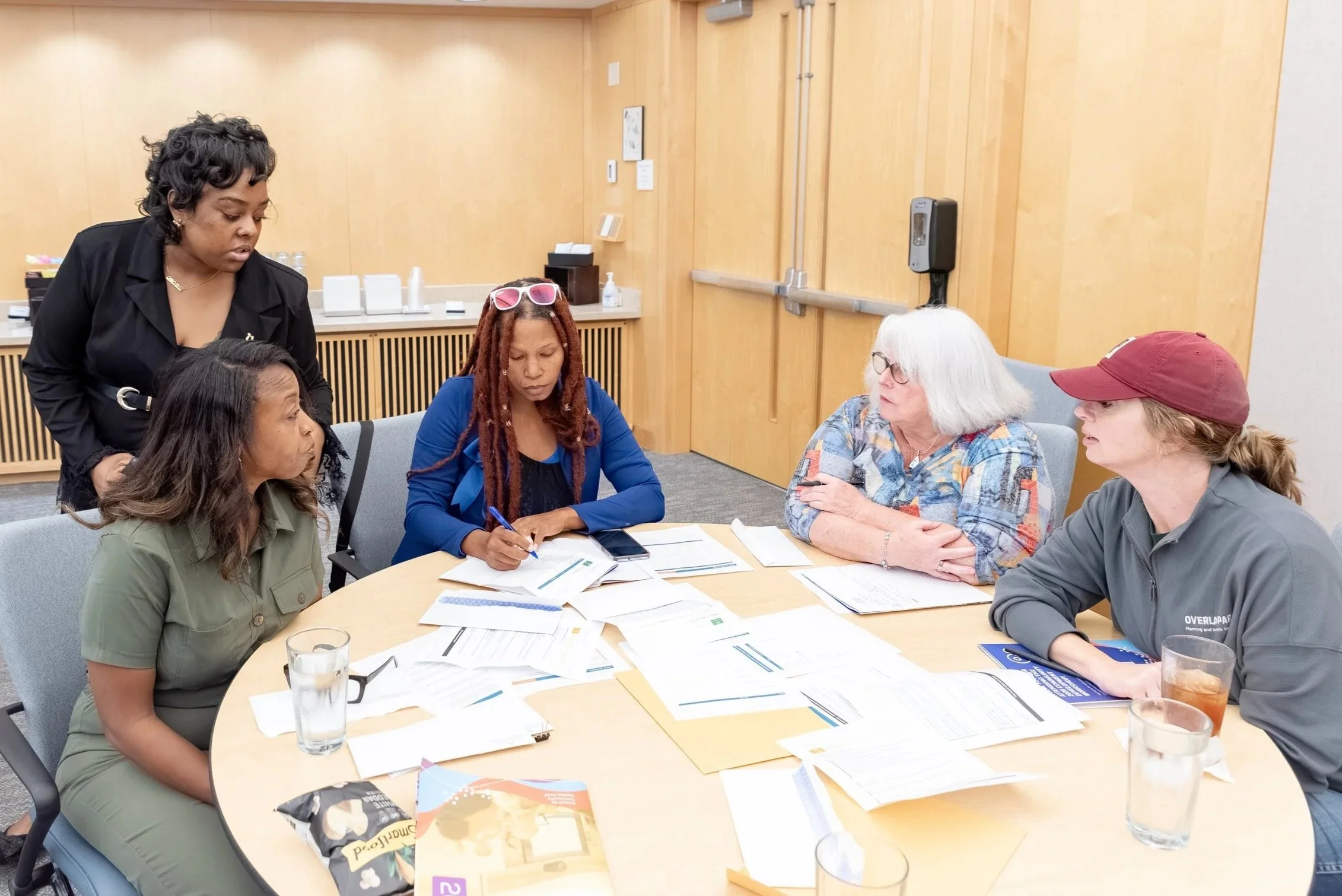
Brandee Leigh Collins leading the Neighborhood Escape Room session
Kansas City's neighborhoods don't grow stronger by accident.
They grow through residents who run neighborhood associations, leaders who organize cleanups, mentors who train volunteers, changemakers who challenge systems, and neighbors who step up to make their communities better for everyone.
The Community Development Workshop exists for them.
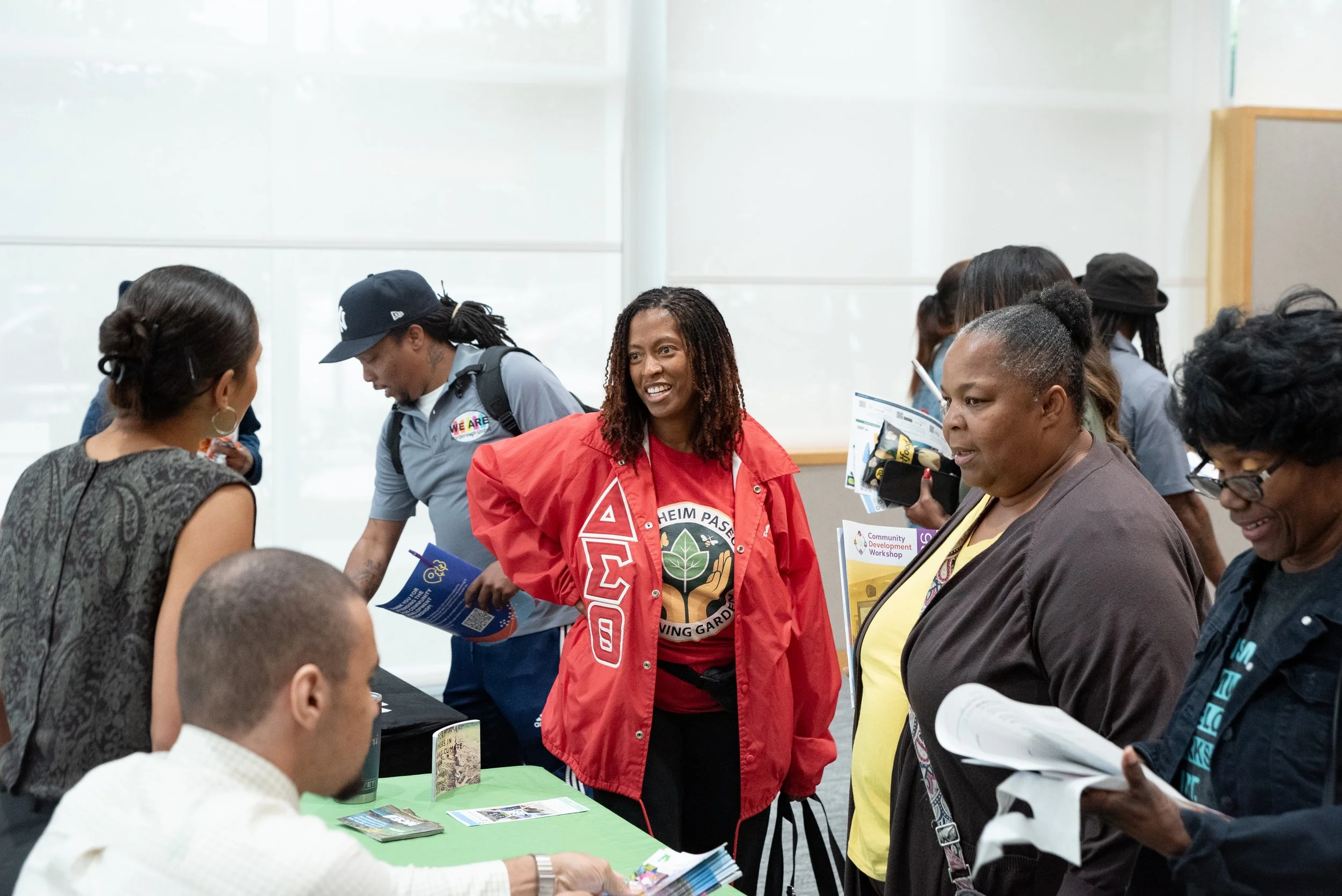
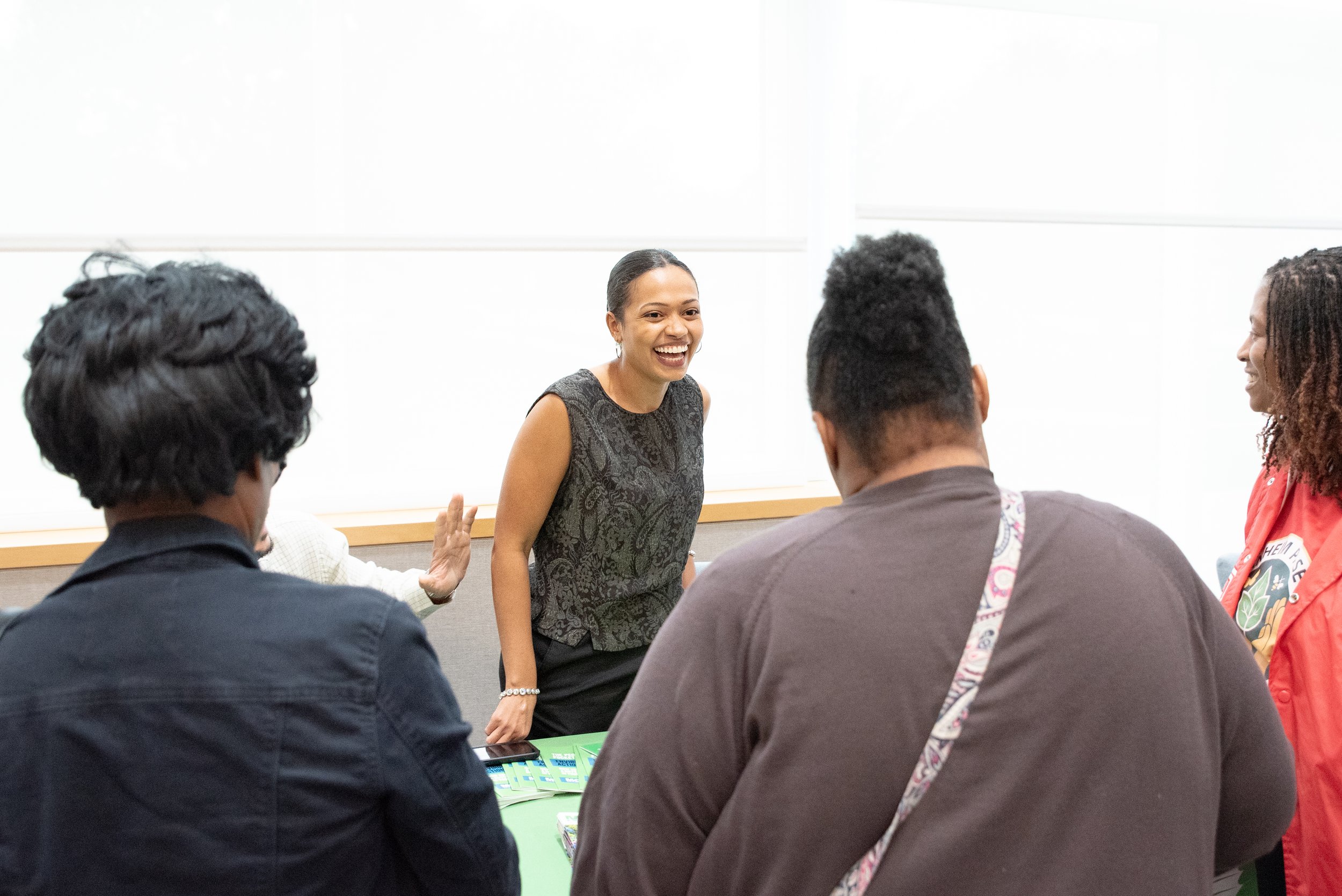
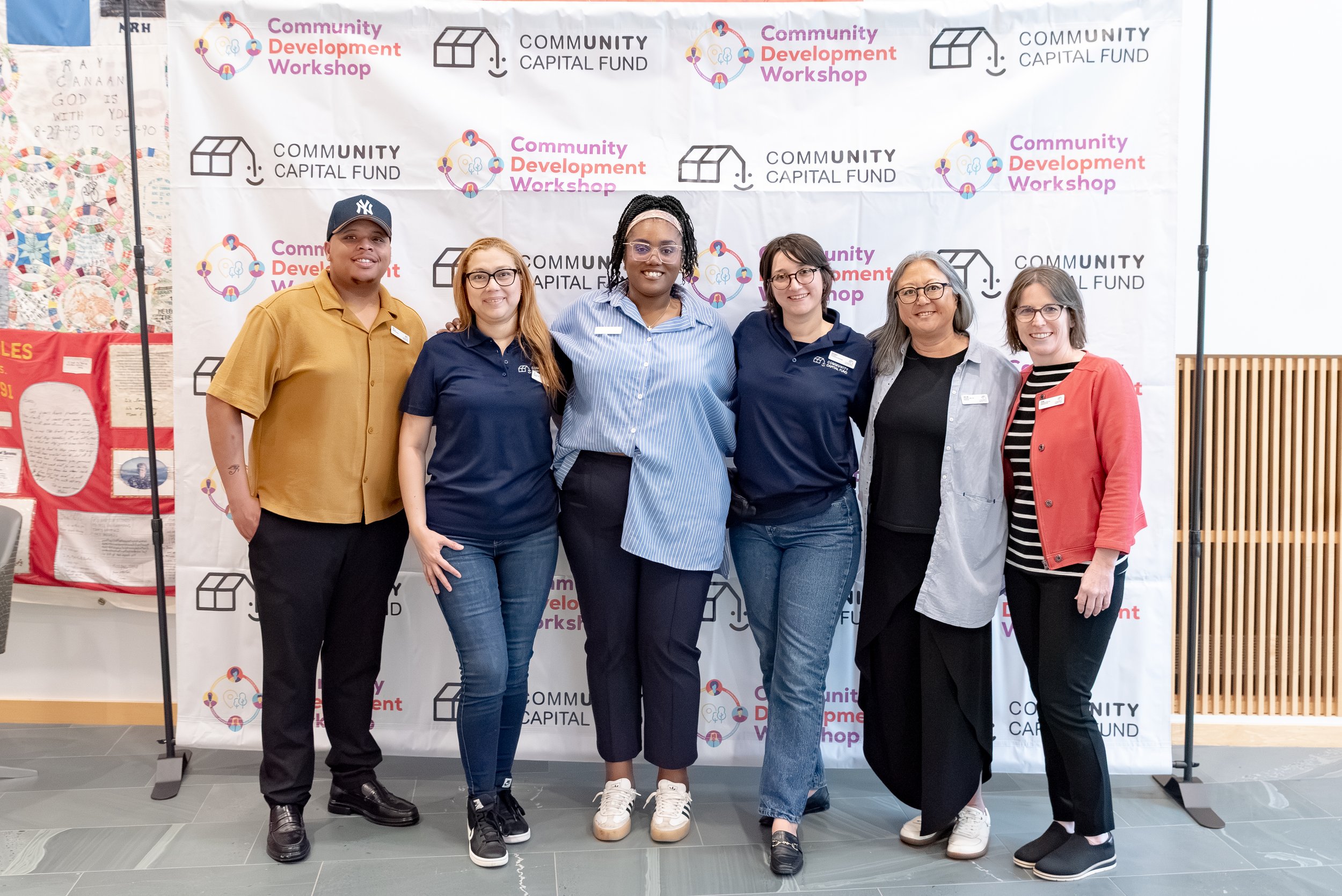
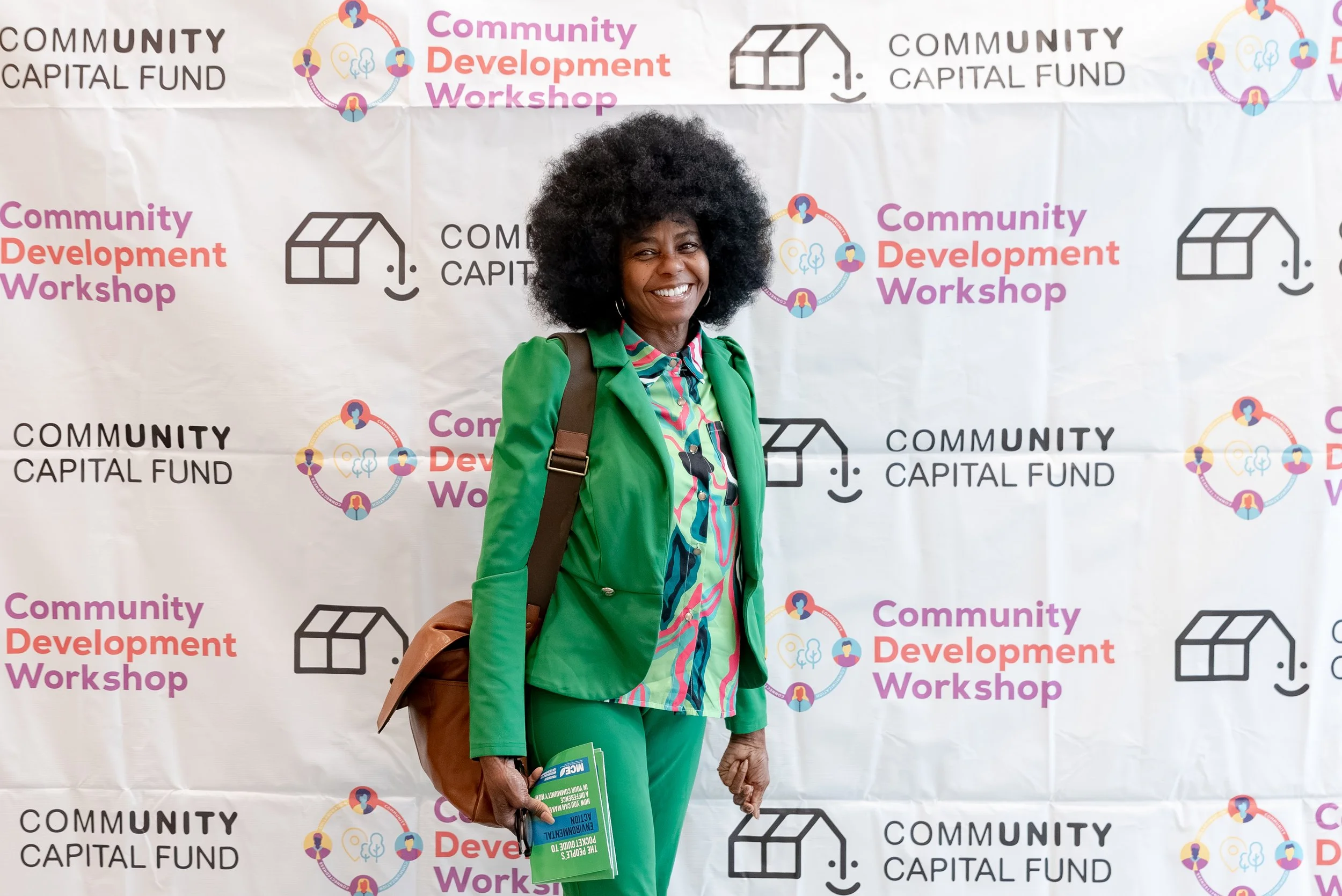
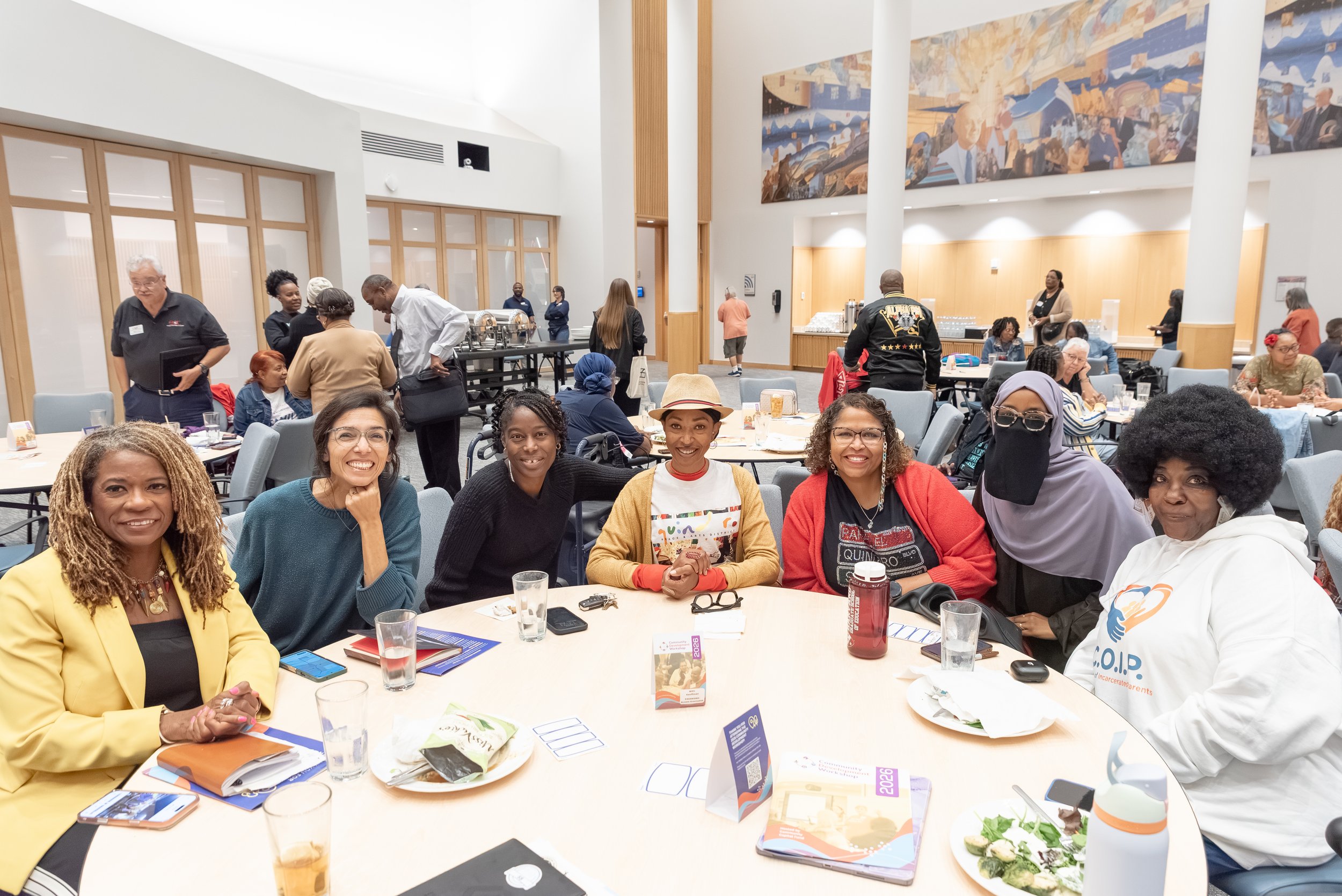
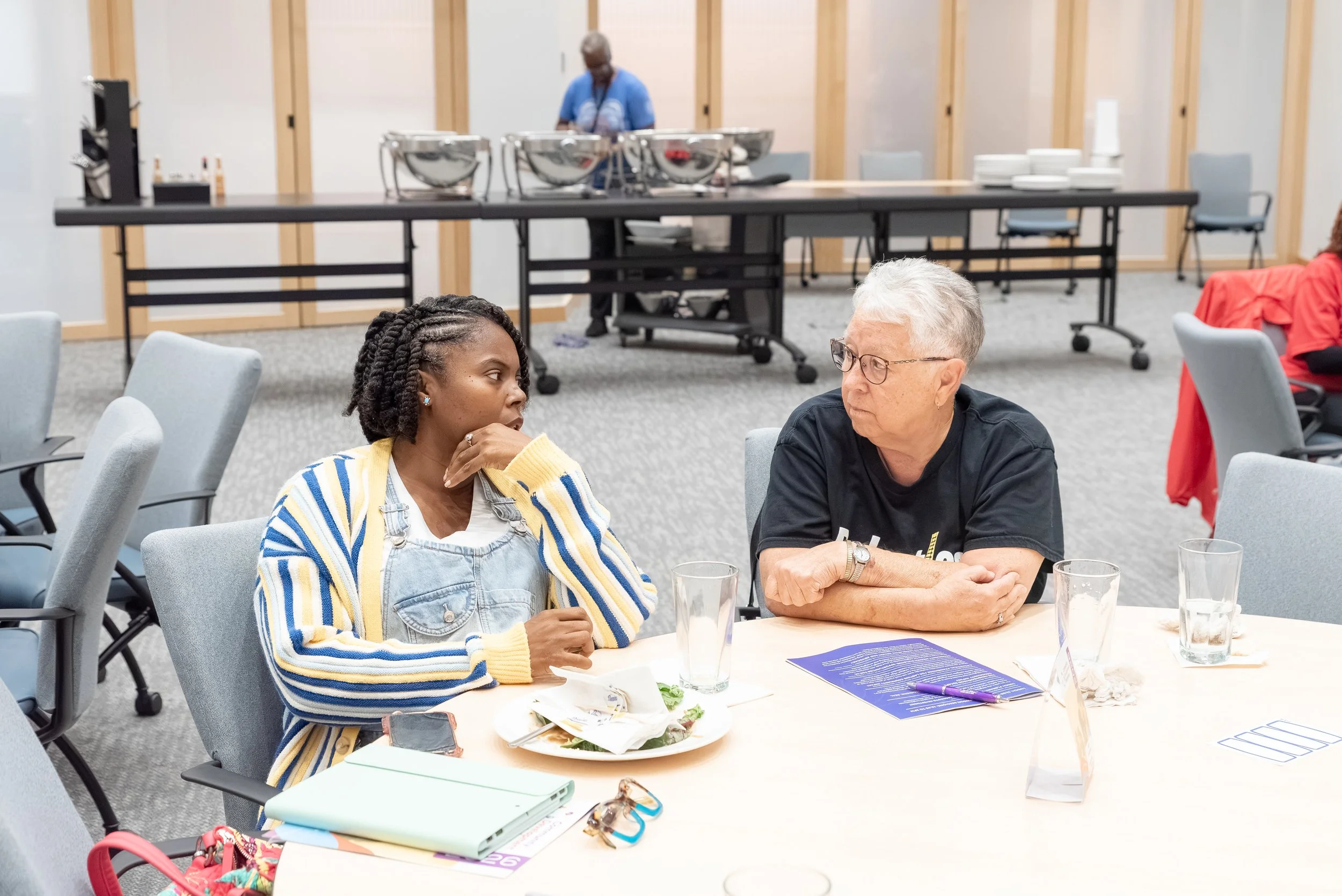
On Sept. 25 and 26, Community Capital Fund hosted the 14th annual CDW, drawing more than 125 neighborhood leaders, educators, community builders, nonprofit partners and funders for two days of learning and connection.
The no-cost event rests on a simple belief: when we invest in the people and places closest to the challenges, we build stronger communities for everyone.
“The thing that makes CDW so magical is the energy in the room,” said Dajaun Hindsman, Senior Program Manager at CCF. “People come ready to learn and connect with others doing the work. It brings together individuals that truly care about strengthening the community in which they live.”
For Dina Newman, director of the Center for Neighborhoods, that shared purpose is the point.
"We believe this event is one of the most highly visible ways to bring neighborhood leaders, community builders, philanthropists, and others together in the same room with the same vision," she said. "I was thrilled to see neighborhood leaders whom I haven't seen all year.”
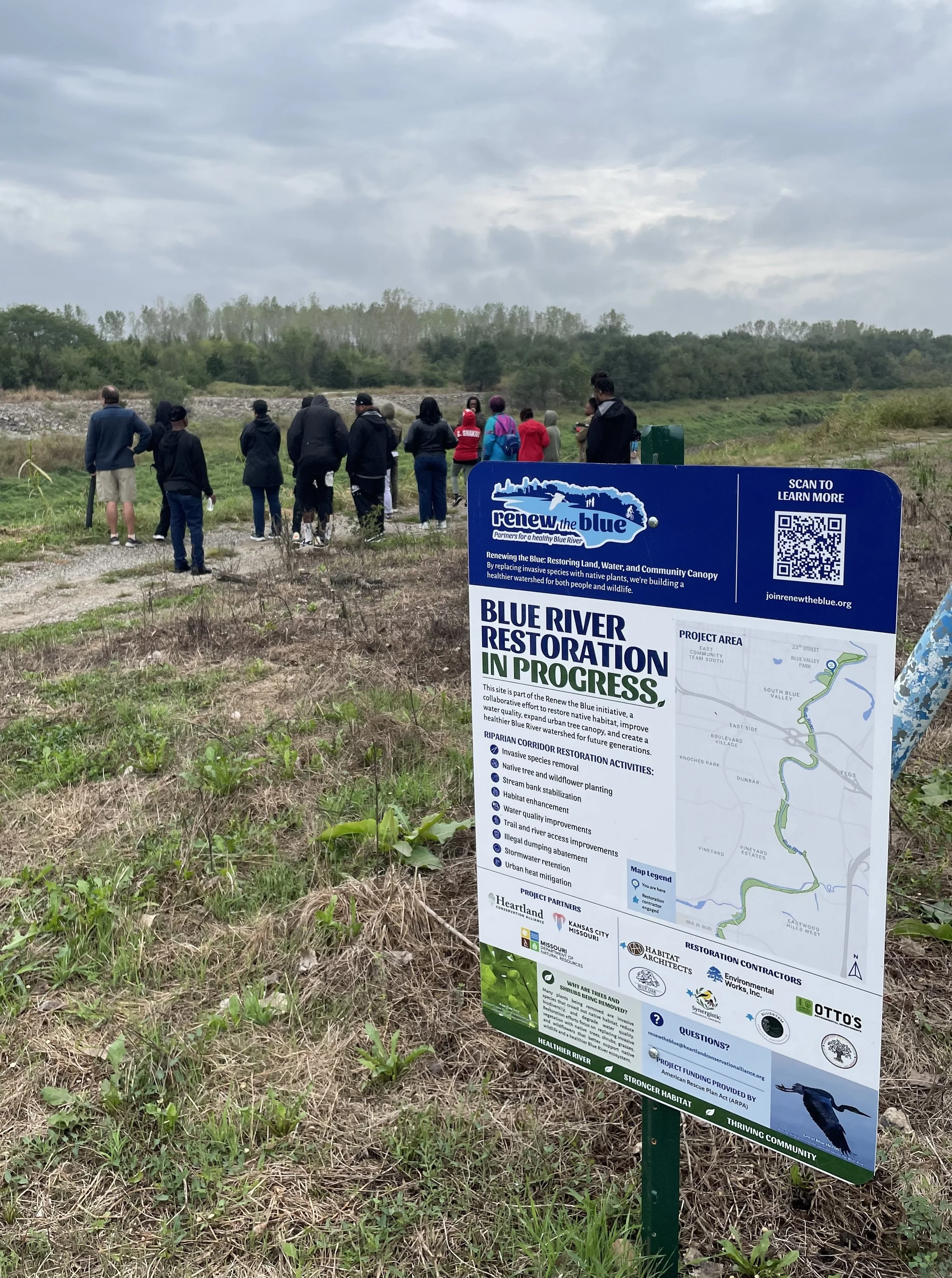
The CDW immersive experience at Blue Valley Park
The workshop kicked off Friday at Blue Valley Park, where the Heartland Conservation Alliance led a walking tour of an active restoration site that is part of its Renewing the Blue project. The collaborative initiative aims to restore up to 240 acres of riparian habitat, enhance green infrastructure along key segments of the Blue River, and expand the urban tree canopy in surrounding neighborhoods — ultimately building a healthier, more resilient watershed for Kansas City.
Braving the rain, attendees saw not only how reviving green space can give neighbors a place to connect with nature but also with each other. Heartland staff walked through the full process behind the work, from funding and contracting to project management and community engagement, offering a practical roadmap for leaders hoping to revitalize green spaces in their own neighborhoods.
“It was impressive to see all the work they’ve done in this area for the community,” said Hindsman. “This project shows what thoughtful community development can look like: it restores our environment and activates the community so residents know the space exists and are invested in caring for it.”
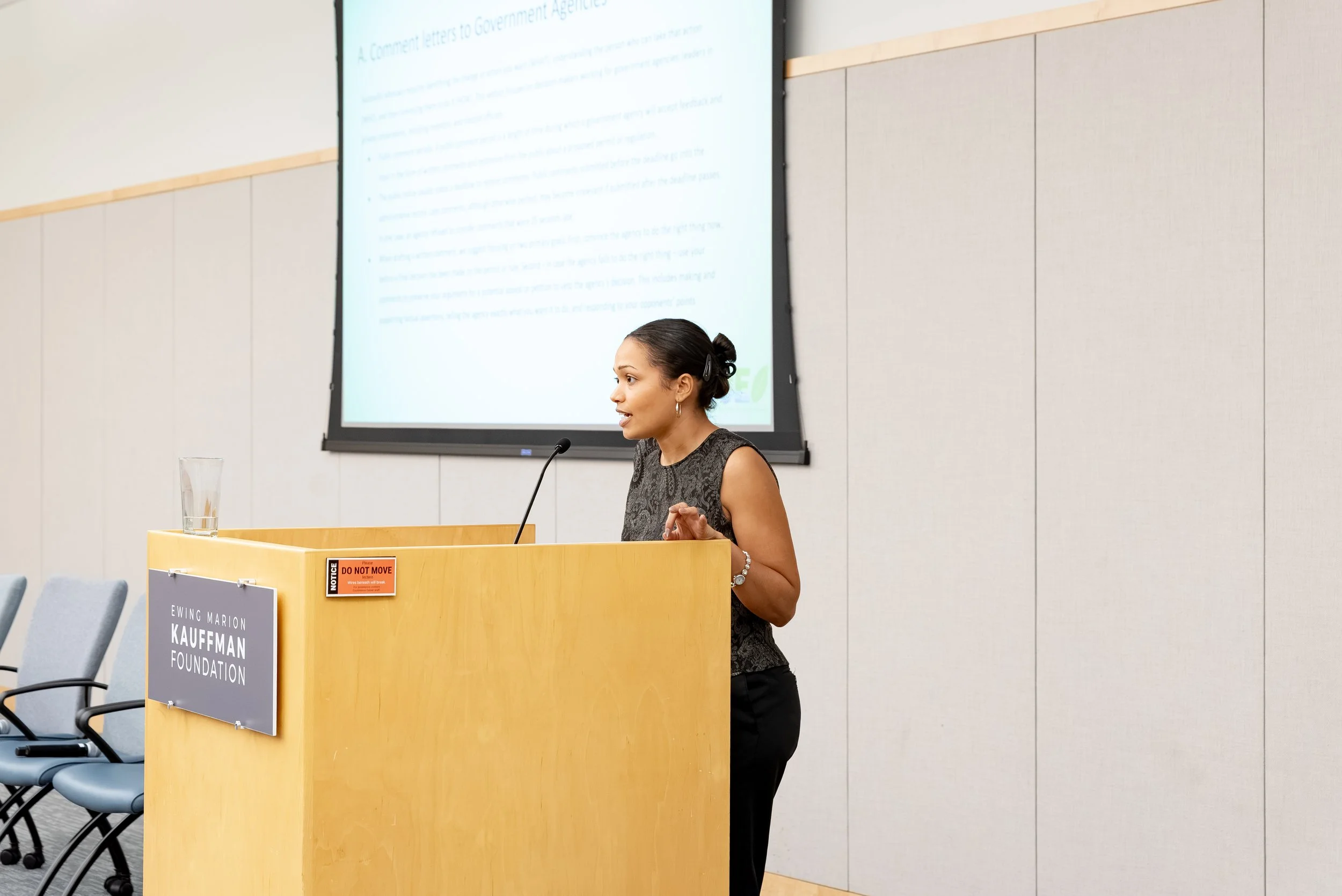
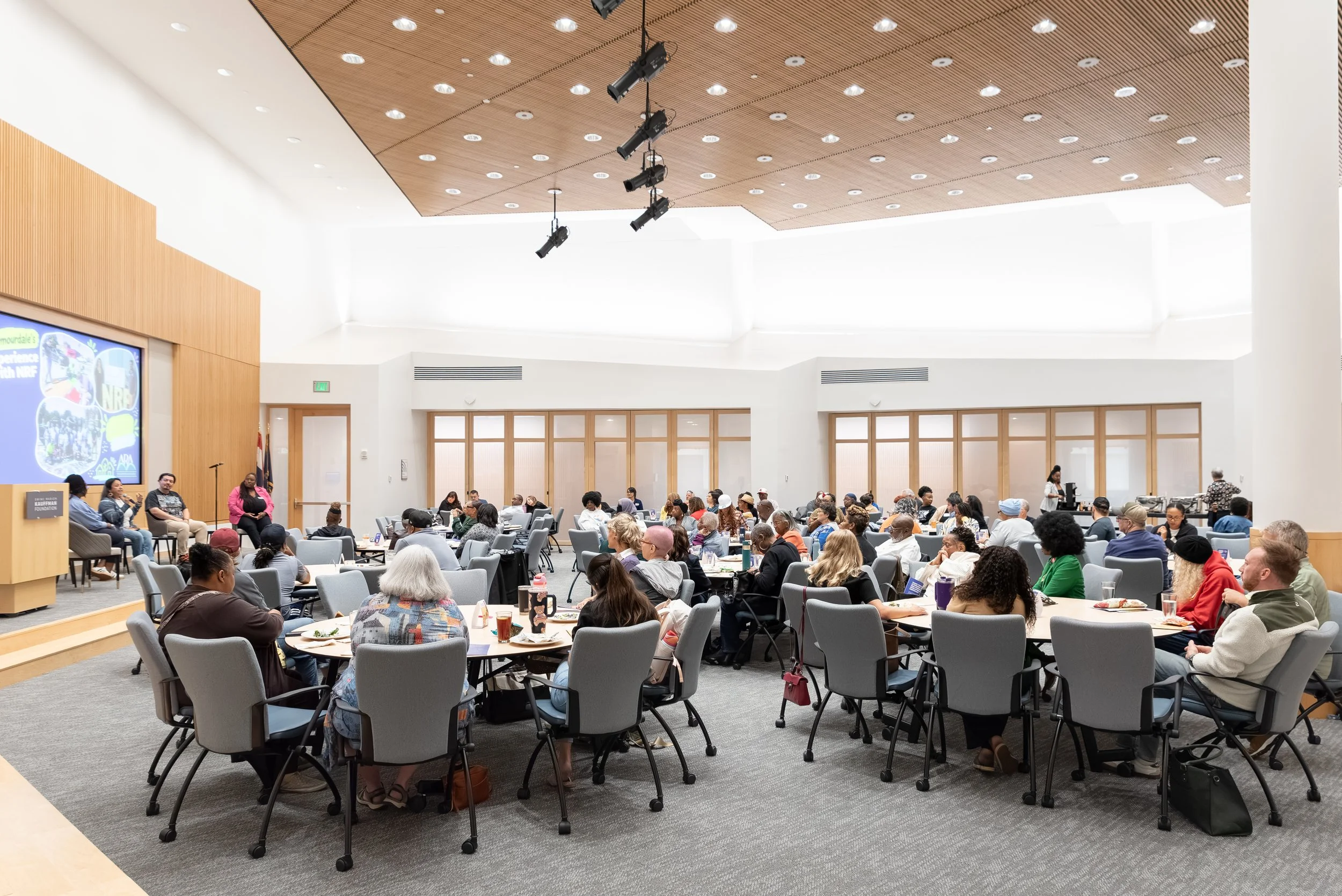
On Saturday, the workshop moved to the Ewing Marion Kauffman Foundation for eight breakout sessions and a lunch plenary.
In "Passing the Torch," Newman and the Center for Neighborhoods took on a challenge nearly every neighborhood group eventually faces: leadership change. Whether it comes from board terms, burnout, or a shift in life circumstances, her advice was clear.
"It's important to plan ahead for a seamless transition to take place in neighborhood leadership," she said.
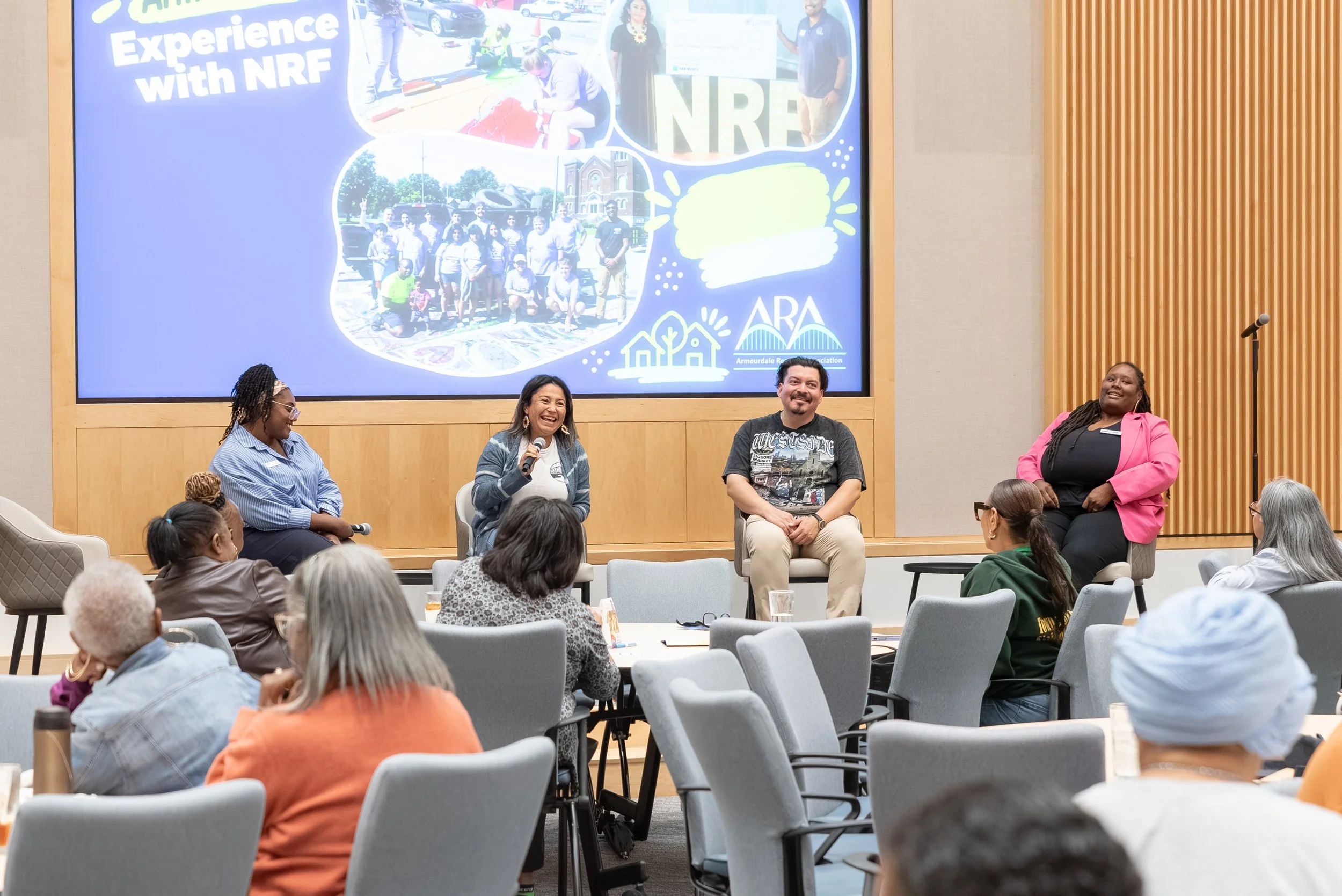
At lunch, neighborhood leaders joined CCF staff to reflect on a decade of the Neighborhoods Rising Fund and the grassroots investment that has helped communities define thriving on their own terms. As of 2026, NRF has deployed more than $1.4 million into communities across Kansas City.
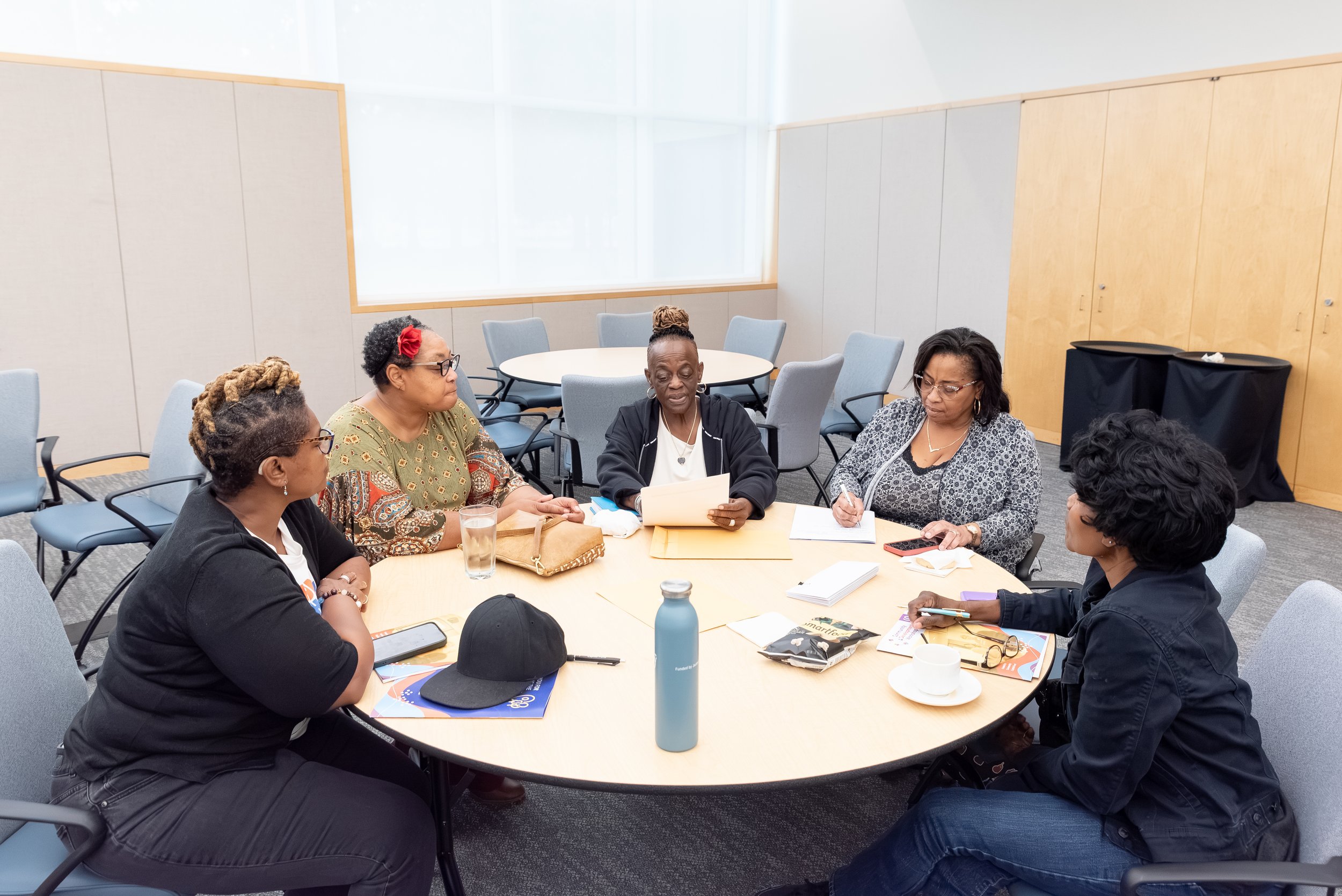
In the afternoon, Brandee Collins of MOCSA led teams through the Neighborhood Escape Room. With a large countdown clock on the screen, teams participated in a timed simulation built on real challenges facing Kansas City neighborhoods, where each decision shaped community trust and outcomes.
Dr. Heather Cameron of Washington University in St. Louis shared early findings from her research on community wealth building in Kansas City. Her research shows a rise in outside investors buying single-family homes in Black neighborhoods across Kansas City.
Her research also found that many neighborhoods have already mapped out what they want for local housing but lack the funding and/or technical expertise to act on those plans before speculators buy properties.
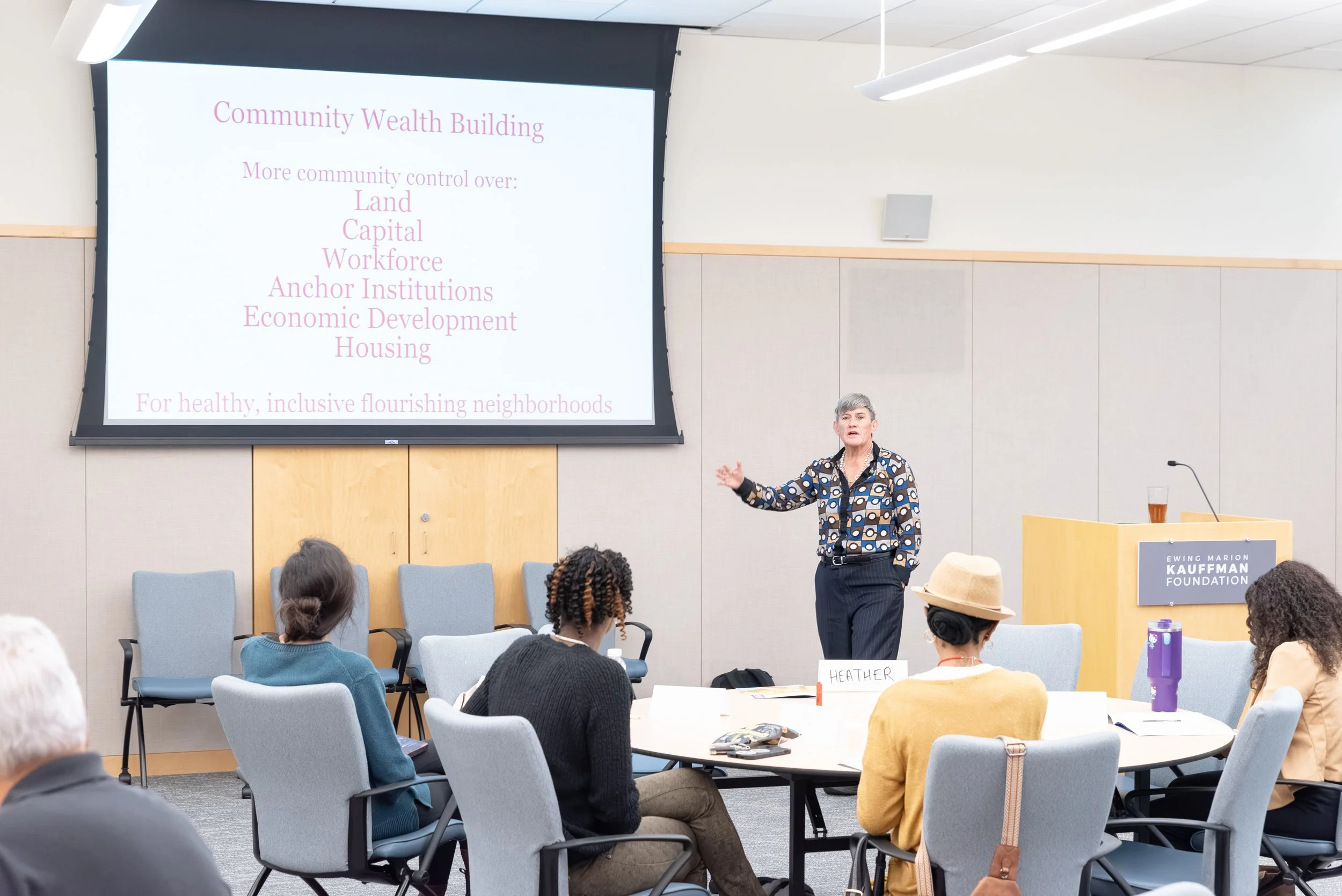
Dr. Heather Cameron of Washington University in St. Louis leads the Community Wealth Building session
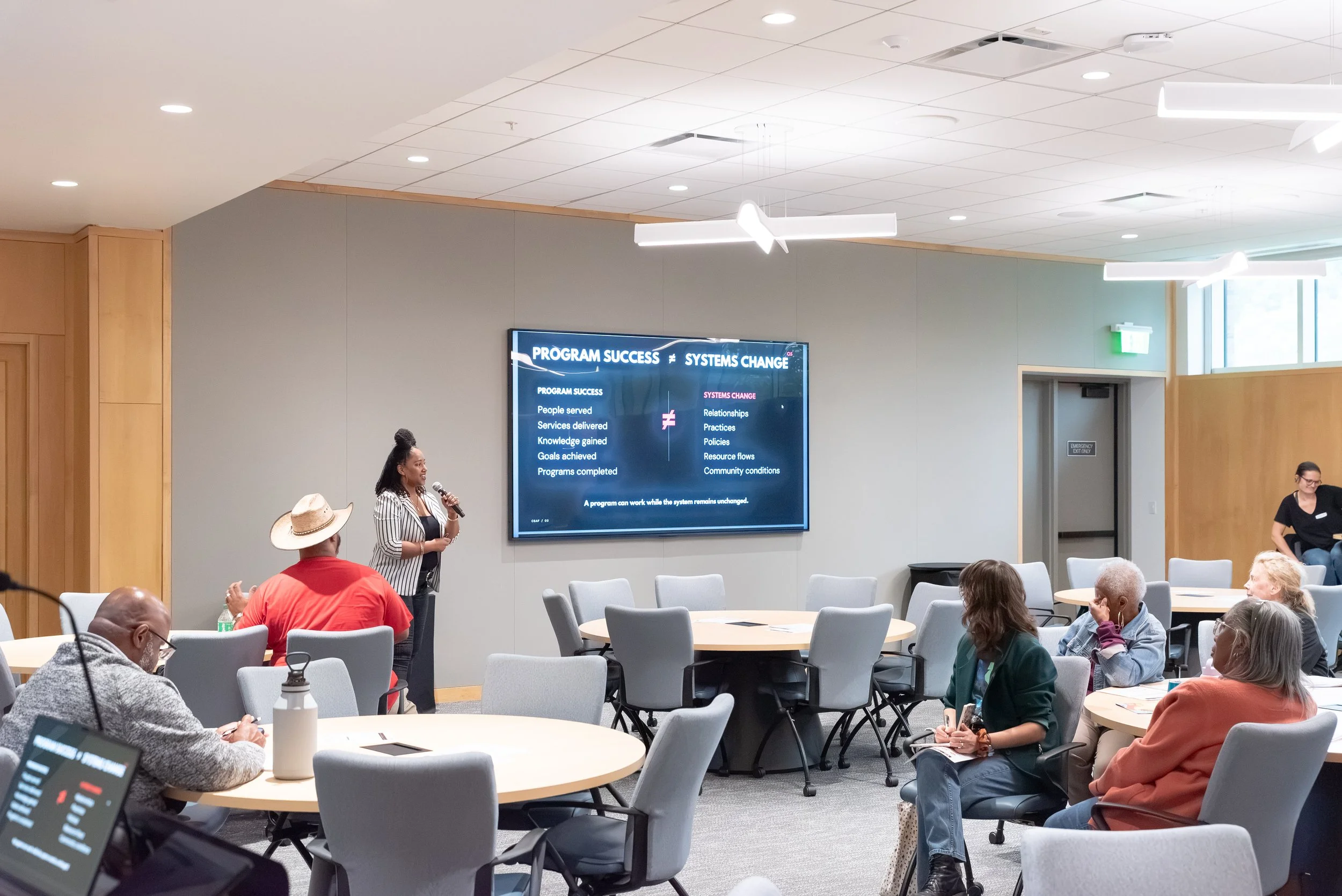
Dr. Cameron showed attendees how to turn local data into advocacy by pairing numbers with neighbors' stories and ending with a clear ask to council members or legislators. She also pointed to tools like community land trusts and Kansas City’s Right to Council program that show what residents can use for their communities.
For some attendees, the session arrived at just the right moment for their existing community work.
“For community builders in Kansas City, Kansas, the conversation felt especially timely,” said Tamara Arredondo, Director of Operations and Engagement with Eastside Opportunity Ventures. “Northeast KCK is at an inflection point, with neighborhood groups coming together around land use and the future of our communities. … This session gave us new tools to think about how we can turn the conversations already happening into collaborative, actionable strategies that create lasting benefits.”
These are just a few of the sessions that took place at CDW 2026. To learn more about these and other sessions, please visit the Community Development Workshop page to view and download resources.
Our hope at CCF is that the tools shared and connections made at CDW will head back into neighborhoods across Kansas City where they can shape how leaders fundraise, organize, plan, grow and support their communities.
CDW is only possible because of the many people who help make it happen, from volunteers and presenters to sponsors and organizers. Thank you to our 2026 sponsors: Wyandotte Health Foundation, Livable Neighborhoods, Hoxie Collective and the Center for Neighborhoods.
Thank you to all our presenters for sharing their expertise, experience and wisdom with the community: Heartland Conservation Alliance, the Center for Neighborhoods, Chris Morrison and Brandee Collins of MOCSA, Erica Taylor-Murff of Community Impact Solutions, Makenna Nickens of the Missouri Coalition for the Environment, Cenyeaa Williams, Phyllis Hardwick and Dr. Heather Cameron.
And to every attendee: thank you for investing your time in your community and in yourself. We hope the lessons and connections from CDW will help you in building stronger communities across Kansas City.
Check out our abbreviated photo gallery below or see the full gallery here.